Which rodent is in your house?
Victoria has three pest rodents, all introduced: the roof rat, the Norway rat and the house mouse. Australia also has more than 60 native rodent species, and they are protected wildlife. Our rat and mouse identification guide has more photos.
Roof rat (black rat)
Slim, with a body around 16 to 20 cm and a tail longer than its body, which no other rat here has. Pointed nose, large thin ears. An agile climber that nests in roof voids, cavity walls and trees, usually in built-up areas or near the coast. Droppings are spindle-shaped.
Norway rat (brown rat)
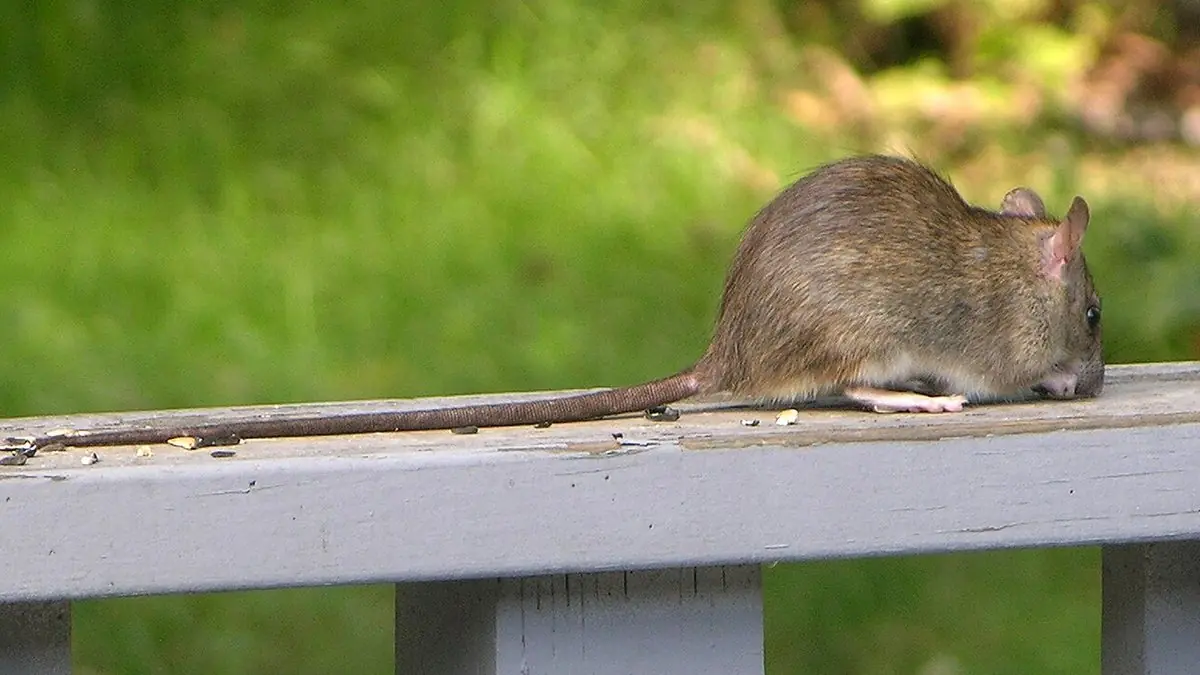
The heavier rat: body 20 to 27 cm, up to about 500 g, with a blunt nose, short finely haired ears and a tail shorter than its body. A digger and swimmer that burrows under sheds and garden beds and lives around drains and sewers, so it is usually at ground level. Droppings are banana or sausage-shaped.
House mouse
Body 8 to 10 cm and only 14 to 20 g, with large ears and a tail about as long as the body. Lives in walls, cupboards and behind appliances. Droppings are a few millimetres long. A female can have 6 to 10 litters a year, and the young can breed at about 6 weeks.
A possum or a native animal?
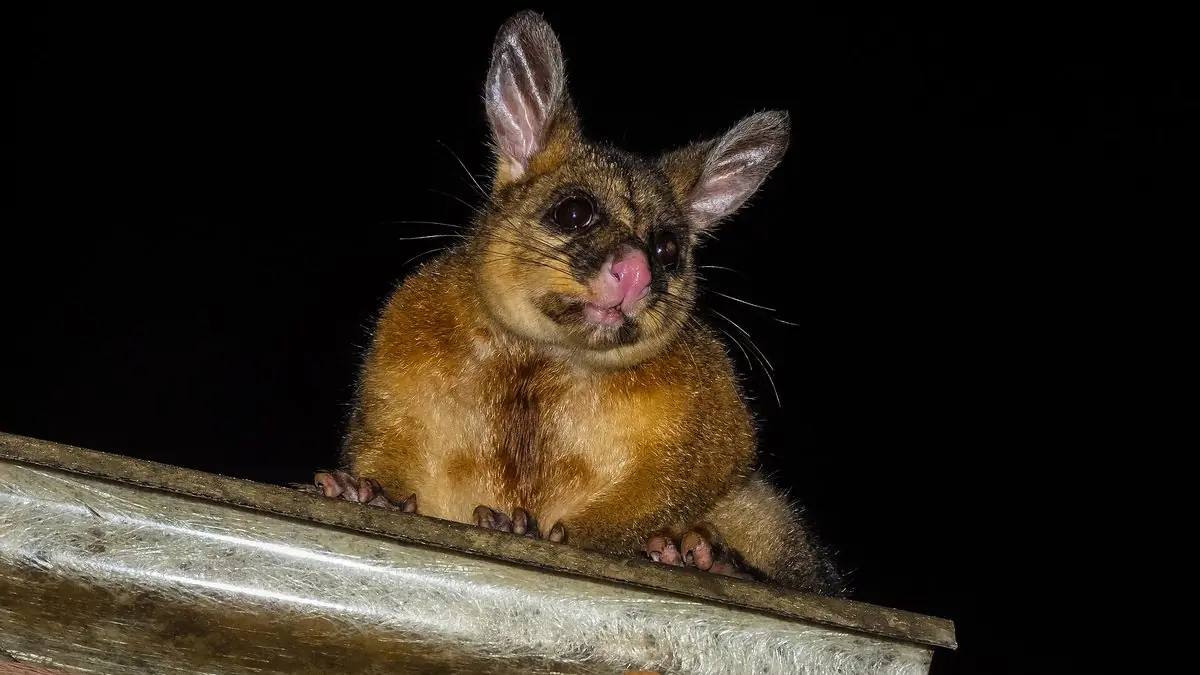
Rats make light scampering and gnawing sounds. A brushtail possum thumps heavily and makes a throaty hiss. Possums, bush rats, swamp rats, rakali (water rats) and antechinuses are all protected. If your home backs onto bushland, a creek, a wetland or the foreshore, the animal should be identified before any trap or bait goes out.
Signs of rats or mice in the roof and walls
You usually find signs well before you see a rodent. They are most active at night and tend to use the same routes along walls.
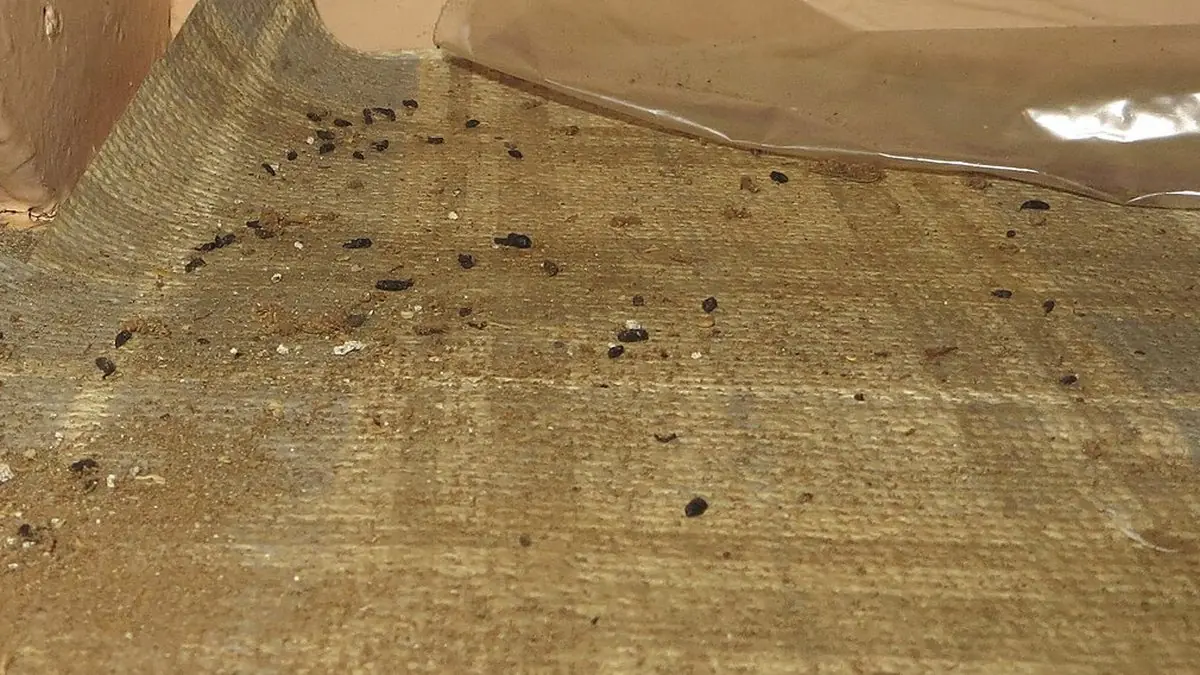
- Droppings along skirting boards, in the pantry, under the sink or in the roof void: about 1.5 cm long for rats, a few millimetres for mice
- Scratching, scampering, gnawing or squeaking in the ceiling or walls at night
- Dark, greasy rub marks along walls and skirting boards where they run
- Gnawed food packets, fruit, timber or cables: rat tooth marks are about 4 mm wide, mouse marks about 2 mm
- Holes up to about 20 mm across for mice and about 80 mm for rats
- Hidden nests of shredded paper, cardboard, rags or roof insulation
- Grain or seed eaten from the outside with the core left (mice), or crumbs and scattered pieces (rats)
- A musky smell, typical of a large or long-running mouse problem
- Burrows along walls, under sheds or in stacked timber
- Fresh droppings that reappear after you have cleaned up, which means the problem is still active
Why rats and mice are worth dealing with quickly
Rodents eat and spoil food at the same time, because they gnaw through packaging and leave urine and droppings on what is left. Their front teeth grow continually, so they gnaw constantly: Melbourne councils list chewed wiring and conduits among the damage they cause, and gnawed wiring is a recognised fire hazard.
Rats in Victoria can carry leptospirosis, and the Department of Health lists rodent control around homes as one way to prevent it. Keep that in proportion: in Victoria the disease mostly affects farm and meat workers, not city households. Asthma Australia lists mice among the pests that can trigger asthma flare-ups.
Numbers also build fast. A house mouse can have 6 to 10 litters a year, with 4 to 8 young in each, so a few mice in autumn can be a much bigger problem by spring.
When rats and mice turn up in Melbourne
Many Melbourne households first notice rats or mice in the roof and walls as the nights get colder, from about March to May and into winter. The animals are looking for warmth, shelter and food. No Victorian health authority names a peak month, so treat this as a pattern, not a rule.
Rodents can live inside a building all year while they have food and water, and house mice can breed in any season when food and shelter are steady. Backyard fruit, compost and pet food left outside can feed rats in any season. The right time to act is when you first see signs, whatever the month.
Why DIY rodent control often fails, and what to try first
What usually goes wrong
- Traps or bait go in, but the gaps they came through stay open, so new rodents keep moving in
- Loose bait or throw packs are tossed into the roof. Household second-generation baits must now be used indoors only, inside a tamper-resistant bait station
- One or two traps for a whole house, when rats need many, about 3 to 6 m apart
- Traps are set on the first night. Rats are wary of new objects and can avoid them for days or weeks
- Ultrasonic plug-ins, peppermint oil or the family cat are relied on. None is a reliable way to drive out established rodents
- Glue traps are used. Selling or using them on animals is illegal in Victoria
What is worth trying first
- Work out what it is: rat, mouse, possum or native animal
- Take away the food: pet food in sealed tubs, fallen fruit picked up, tight bin lids, no meat or dairy in the compost
- Snap traps against the wall with the trigger end facing it, baited with a pea-sized dab of peanut butter, left unset for a few nights, then checked every morning, out of reach of children, pets and wildlife
- Plug small gaps with materials rodents cannot chew, such as steel mesh, sheet metal or cement
- If you use household bait, keep it in a secured tamper-resistant station indoors, wear disposable gloves, check for and bin dead rodents at every visit, and stop after 35 days. If rodents are still active, get advice
When it is time to call a professional
Call us if rodents are still active after 35 days of your own baiting, which is the point where the national instructions say to seek advice. Call sooner if you can hear them in a roof void or wall you cannot get into, if there are droppings in the kitchen, if cables have been chewed, or if a smell suggests a rodent has died somewhere you cannot reach.
If you rent, tell your rental provider as soon as you see signs. Who pays depends on the cause, and the entry points we find can help show what that cause was.
Hearing scratching in the roof?
Tell us where you hear or see them and we will come back to you with a price. We usually respond within the hour during business hours.
Thanks. Your request is in.
Your reference is . We usually respond within the hour during business hours. Need us sooner? Call 0485 511 588.
How our rodent control program works
- 1
Inspection
We check the roof void, the subfloor where there is access, the kitchen, laundry and garage, and the outside of the house for droppings, rub marks, gnawing and nests. We also look for every gap they could be using: around pipes, under eaves, at roof tiles, vents and doors.
- 2
Identification
We confirm whether it is a roof rat, a Norway rat or mice, because each lives and travels differently. If the signs point to a possum or a native animal, we do not bait. Possums are protected and are not covered by this program, and we explain what the Victorian rules allow.
- 3
Lockable bait stations
We secure lockable, tamper-resistant stations on the routes the rodents use: in the roof void, the subfloor, the garage, and behind appliances where needed. Outside, we use only secured, tamper-resistant and weather-resistant stations within 2 metres of the building, never bait burrows and never bait outdoors for mice. We use APVMA-registered products strictly according to the label and the 2026 national instructions, and we record where every station is.
- 4
Entry points and proofing advice
We show you where they are getting in and what to seal each gap with, from steel mesh to cement, rather than foam or plastic they will chew through. We also point out branches, creepers and stored materials that give rats a way onto the roof or somewhere to nest.
- 5
Follow-up visit
Your program includes one follow-up visit. We check how much bait has been taken, look for dead rodents and remove any we can reach, and decide whether baiting needs to continue. The national rules do not allow second-generation baits to be used continuously for more than 35 days without that kind of review.
- 6
Finishing up
When activity stops, the Department of Health's advice is to remove baits. If you would like lockable stations checked at your regular service visits after that, ask about the bait station add-on or the Total Protection package.
Where the treatment reaches, and its honest limits
Bait stations work anywhere we can secure one on a route the rodents already use. That covers most roof voids, subfloors, garages and kitchens. A station cannot go inside a sealed wall cavity, so rodents living there are reached by baiting where they come out to feed.
Baits are slow. An anticoagulant bait typically kills 5 to 10 days after a lethal dose, and wary rats may ignore a new station for days or weeks, so expect a gradual drop in noise rather than silence overnight.
- Neighbours matter. Roof rats can travel 90 metres or more for food, so they may nest next door and feed at yours, or the other way round.
- Proofing is what stops them returning. Rats and mice are always present in urban areas. Baiting deals with the ones inside; sealing the gaps keeps the next ones out.
- Some will die out of reach. Mice in particular often die inside the building. No reliable source says how long a smell lasts, so we will not promise a number of days.
Rat bait, pets and wildlife
In March 2026 the national regulator, the APVMA, found that the way second-generation anticoagulant baits were being used posed unacceptable risks to non-target animals, including native wildlife. From 24 March 2026 their registrations were suspended for a year, with binding instructions on how they may be used. The baits are not banned, and the proposal to restrict them to licensed users had not been decided as at November 2026.
A locked station stops a dog, child or possum reaching the bait itself. It does not stop a poisoned rodent wandering off and being eaten, and a single poisoned rodent may be enough to poison a pet. In one 2022 Victorian sample, brodifacoum was found in 47 of 53 brushtail possums tested, and residues turn up in most owls tested in several Australian studies. That is why we search for carcasses, keep stations close to the building and ask about every animal on the property. Read more in rat bait, pets and wildlife: what changed in 2026.
Preparing for the visit and what to do afterwards
Before we arrive
- Tell us about pets, chickens, aviary birds, young children, pregnancy, and anyone with asthma or allergies.
- Clear the way to the manhole and the subfloor access, and move boxes away from the walls in the garage.
- Note where you have heard noises, found droppings or seen damage, and at what time of night.
- Put pet food and birdseed in sealed containers so the bait has no competition.
Afterwards
- Leave the stations closed and in place, and keep pets away from the roof void and subfloor.
- Never handle a dead rodent with bare hands. Wear disposable gloves, spray it and the area around it with disinfectant, wait 5 minutes, double-bag it and put it in the rubbish, then wash your hands.
- Do not sweep or vacuum droppings. Air an enclosed space for 30 minutes first, soak the droppings with disinfectant or a fresh mix of 1 part bleach to 9 parts water for 5 minutes, then wipe up with paper towel.
- If rodents have been in ducted heating or cooling, have the ducts professionally cleaned.
- Take unwanted rat poison to a Detox Your Home collection rather than the household bin.
What rodent control costs
Rodents are not covered by the Essential or Complete packages, so they are priced as a program of their own, as an add-on, or as part of Total Protection.
- Rodent control programInspection, lockable tamper-resistant bait stations, entry points found with proofing advice, one follow-up visit and a 3-month service warrantyfrom $279 inc. GST
- Rodent bait stations, added to a home packageAdded to an Essential or Complete package visitfrom $110 inc. GST
- Total Protection, unit or apartmentComplete package plus rodent bait stations and an annual termite inspection; 12-month service warrantyfrom $389 inc. GST
- Total Protection, house up to 3 bedroomsAs above, for a house up to 3 bedroomsfrom $469 inc. GST
- Total Protection, house 4+ bedroomsAs above, for a house with 4 or more bedroomsfrom $549 inc. GST
All prices include GST. Compare every package on our price list, or see what a general home pest treatment covers.
Your service warranty
The rodent control program carries a 3-month service warranty. If rodents return to the treated areas within that time, we come back and re-treat at no charge. Warranty conditions apply, and we explain them before we start. Total Protection carries a 12-month service warranty.
The warranty sits on top of your rights under the Australian Consumer Law, which require any service to be provided with due care and skill. Because proofing is what keeps rodents out, the warranty works best when the gaps we point out are sealed.
How to keep rats and mice out
- Seal gaps around pipes, under eaves, at roof tiles and in external walls and doors. A mouse can fit through a gap of about 6 to 8 mm, roughly the width of a pencil
- Use steel mesh, sheet metal or cement. Rats chew through plastic, foam, timber and caulk, and steel wool rusts, so it is only a temporary plug
- Cut branches back well clear of the roof, about 1.5 m, and pull ivy and creepers off walls and fences
- Store pet food in containers with tight lids and empty bowls left outside
- Pick up fallen fruit and keep aviary seed in rodent-proof feeders
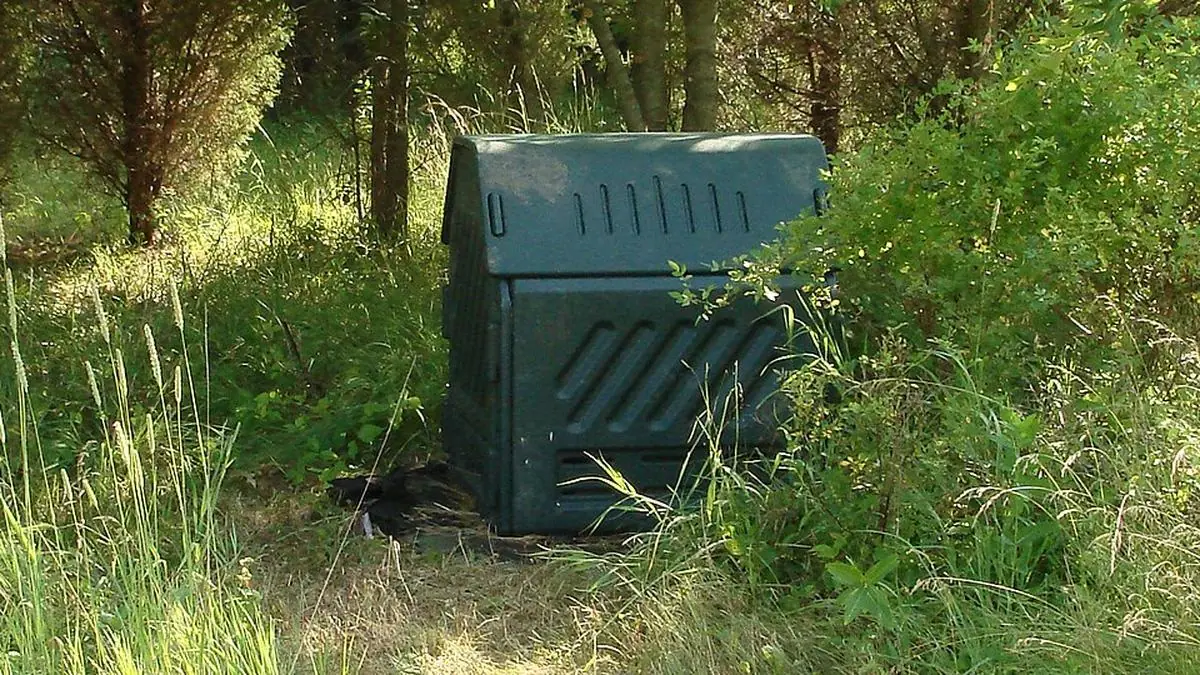
- Use an enclosed compost tumbler rather than an open bay, and keep meat, fish and cheese out of it
- Give chickens a feeder that rodents and wild birds cannot get into, and change the floor litter weekly
- Keep bins lidded and report a damaged council bin
- Stack timber and garden materials on raised platforms and clear clutter from sheds and garages
- Fix leaking taps and pipes so rodents have no easy water
What your council does about rats and mice
None of these five councils treats pests on private property: owners and occupiers arrange it. What each council page says about rodents:
| Suburb | Council | What the council says |
|---|---|---|
| Pest control in Brighton | Bayside | No pest control or product sales for private property. Use a licensed pest control service, and speak to your neighbour if the rodents come from next door |
| Pest control in Caulfield | Glen Eira | Owners and tenants must control pests and attractants. Officers may act under public health law if rodents become a public health risk |
| Pest control in Toorak | Stonnington | Can act only on rodents coming from another private home, a park or a nature strip. Unknown source: contact pest control |
| Pest control in St Kilda | Port Phillip | Homeowners and tenants are responsible for pests on their own property; the council investigates pest problems on public land |
| Pest control in Oakleigh | Monash | Warns that poisons put wildlife at risk. For an ongoing problem from a neighbour, an officer may visit to advise them |
More on rats and mice
Where these facts come from
- Rodents: pest control, Victorian Department of Health
- Second-generation anticoagulant rodenticides decision, APVMA, March 2026
- Rodenticides, APVMA
- Brushtail possum management methods, Victorian Government
- Pest control in the home, Better Health Channel
- Rodent prevention and control fact sheet, City of Glen Eira
- Gazette No. 5, 10 March 2026: suspension instructions for second-generation rodenticides, APVMA
- Leptospirosis, Victorian Department of Health
Rodent Control: common questions
How do I get rid of rodents permanently?
No treatment keeps rats and mice away for good, because they are always present in urban areas. What lasts longest is building them out: sealing gaps with materials they cannot chew, removing food and cutting branches back from the roof. Baiting or trapping then deals with the ones already inside. If sanitation or proofing lapses, rodents return, which is why our program includes proofing advice, not only bait. The guide to mouse-proofing a home covers the sealing in detail.
How much does it cost to get rid of rats in Melbourne?
Our rodent control program costs from $279 including GST. That covers the inspection, lockable bait stations, entry points with proofing advice, one follow-up visit and a 3-month service warranty. Bait stations can also be added to a home package from $110 including GST, and they are included in Total Protection. See the full price list.
What is the most effective rodent control?
A combination: identify the animal, remove food and shelter, seal the entry points, then reduce the population already inside. For a few mice, well-placed snap traps work well. For an established infestation, the Victorian Department of Health notes that professionals usually use baits, because trapping takes more time and labour. Baits should sit in tamper-resistant stations, and proofing is what stops the problem coming back.
How long does it take to get rid of rats?
Expect weeks rather than days. Anticoagulant baits typically kill 5 to 10 days after a lethal dose, and rats can avoid a new bait station or trap for days or weeks before they use it. With traps, US health authorities suggest keeping them out for at least 15 days; a week with no captures and no fresh signs suggests the rodents are gone.
How do I know if it is a possum or rats in my roof?
Listen and look. Rats make light scampering and gnawing sounds and often run the same route each night. A brushtail possum is far heavier, thumps about and makes a throaty hiss. Watch the roofline at dusk to see what comes out. Possums are protected: they must not be baited, and any trapping must follow the Victorian rules, including release on the same property within 50 metres.
Are rat bait stations safe for dogs?
A tamper-resistant station lowers the risk because a dog cannot reach the bait inside, but it does not remove it. A poisoned rodent can leave the station and be eaten, and one poisoned rodent may be enough to poison a pet. Keep dogs out of the roof void and subfloor, pick up any dead rodent you find with gloves, and call your vet immediately if you think your dog has eaten bait or a dead rodent.
Is rat bait banned in Victoria?
No. Since 24 March 2026, second-generation anticoagulant baits have been under a one-year registration suspension, which means they can still be sold and used, but only under strict national instructions. Household products must go indoors inside a tamper-resistant station for no more than 35 days. Glue traps are a different matter: selling or using them to catch animals is illegal in Victoria.