The short answer
In Victoria it depends on the cause. Consumer Affairs Victoria says that where the rental agreement is silent, responsibility can depend on who or what contributed to the problem. If a renter's rubbish or untreated pet drew the pests in, the renter may be responsible. Pests present at move-in, or let in by a defect such as a hole in the roof, point to the rental provider.
Key points
- There is no flat rule: the renter must keep the home reasonably clean, and the rental provider must keep it in good repair.
- A pest infestation is an urgent repair only when it makes the home unsafe or insecure.
- If you have taken reasonable steps and the rental provider still will not act on an urgent repair, you can arrange it yourself up to $2,500 including GST and claim back the reasonable cost.
- Possums are protected wildlife: relocating them is illegal and trapping is tightly limited, so the lasting fix is sealing the entry point.
- Disputes about repairs now start at Rental Dispute Resolution Victoria (RDRV), a free VCAT service, before VCAT itself.
Mouse droppings in the pantry, cockroaches under the sink, a wasp nest in the wall: when you rent, the first question is usually who pays to fix it. In Victoria there is no single answer. Who is responsible for pest control in a rental property depends on what your agreement says and, where it is silent, on what caused the problem. Here is how that works, and what to send your agent today.
Why there is no single “who pays” answer in Victoria
Victorian law says renter and rental provider rather than tenant and landlord, and it gives each side a duty. The rental provider must keep the home in good repair and reasonably fit to live in, whatever its age or rent (Residential Tenancies Act 1997, s 68). The renter must keep it reasonably clean and must not damage it (ss 61 and 63).
Consumer Affairs Victoria (CAV) says the law does not always spell out who must fix or pay for pests. Where the agreement does not say, responsibility can depend on who or what contributed to the problem. Check your agreement first, but a term cannot take away a right the Act gives you, and it cannot make you use a pest company the rental provider has chosen.
When the renter is responsible
CAV’s examples are ants, mice or cockroaches drawn in by rubbish the renter did not remove, and fleas because the renter did not treat their pet. The common thread is that the renter’s habits created or fed the problem. If the renter then does nothing, the rental provider can serve a breach of duty notice.
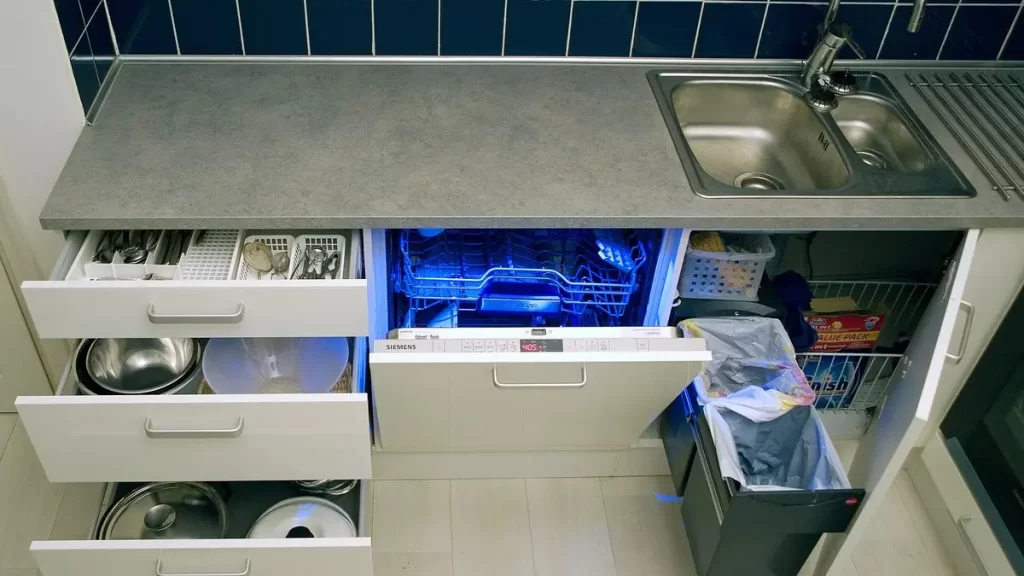
In practice this covers a lot of everyday activity: an ant trail to a sticky bench, cockroaches around an overflowing kitchen bin, fleas after a pet has been living inside. Emptying bins often, sealing food and wiping up spills are your side of the deal. If fleas linger after a pet has gone, our guide to fleas in a house with no pets explains why.
When the rental provider is responsible
CAV points to the rental provider where a problem with the property caused the pests or let them in and was not fixed. Its two examples are pests that were already a problem when the renter moved in, and a hole in the roof that let pests in. Rats through a broken vent or mice through gaps around old pipes follow the same logic. CAV’s maintenance guideline also lists managing pest infestations among the rental provider’s maintenance tasks.
In an apartment, shared areas such as bin rooms and car parks are the owners corporation’s job, and your rental provider deals with it on your behalf. Our guide to pest control in apartments and strata buildings covers that split.
Record pests at move-in
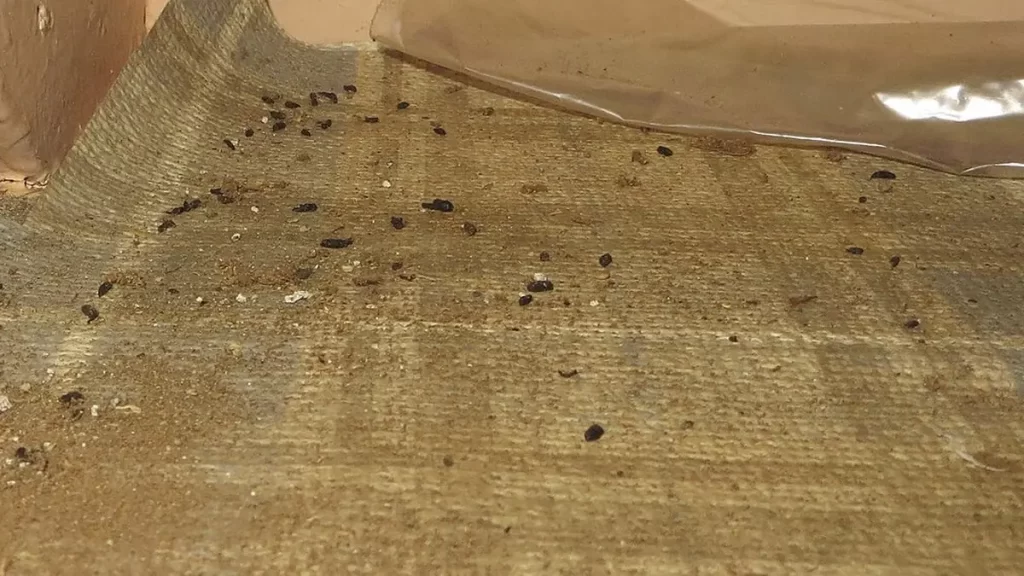
Because pests present at the start point to the rental provider, the condition report is your strongest evidence. You return it within 5 business days of moving in. Note droppings, live or dead insects, old nests, chewed cupboards and any bait stations, and attach dated, labelled photos.
When does a pest problem count as an urgent repair?
The Act’s definition of urgent repairs covers any fault or damage that makes the premises unsafe or insecure, and it lists “a pest infestation” as an example (s 3(1)). The test is the effect on the home, not the pest itself. A few ants on a bench do not meet it. CAV’s urgent repairs guideline puts a persistent cockroach infestation in the middle of its urgency scale, with a gas leak at the top.
Urgent repairs must be done immediately, which Tenants Victoria says generally means within 48 hours. Non-urgent repairs must be done within 14 days of a written request. Keep paying rent while you wait.
Failing a rental minimum standard is also an urgent repair, but no standard says a rental must be pest free. The only mention of vermin is the bin standard: the rental provider must supply rubbish and recycling bins that are council-provided or vermin proof.
Arranging an urgent repair yourself: the $2,500 limit
If you have taken reasonable steps to get the rental provider or agent to act immediately and they have not, you can arrange the urgent repair yourself, up to $2,500 including GST (s 72 and Residential Tenancies Regulations 2021, reg 32). Then give the rental provider written notice of the repair and its cost, with the invoice. They must repay the reasonable cost within 7 days of receiving that notice.
If the job will cost more than $2,500, you cannot afford it, or the rental provider will not repay you, apply to Rental Dispute Resolution Victoria (RDRV). CAV says RDRV reviews urgent repair applications within two business days. Use a licensed technician (our guide shows how to check a pest control licence) and ask for an invoice listing the address, date, pest, areas treated and what was found.
Possums and wasp nests in a rental
CAV lists possums among the pests a rental can have, and a hole in the roof that lets animals in points to the rental provider. But possums are protected under the Wildlife Act 1975, so neither side can simply have them removed: relocation is illegal, and harming them needs government approval. Common brushtail possums living in a building may be cage-trapped, but must be released on the same property, no more than 50 metres from where they were caught, after sunset on the day of capture. Ringtails cannot be trapped without a permit.
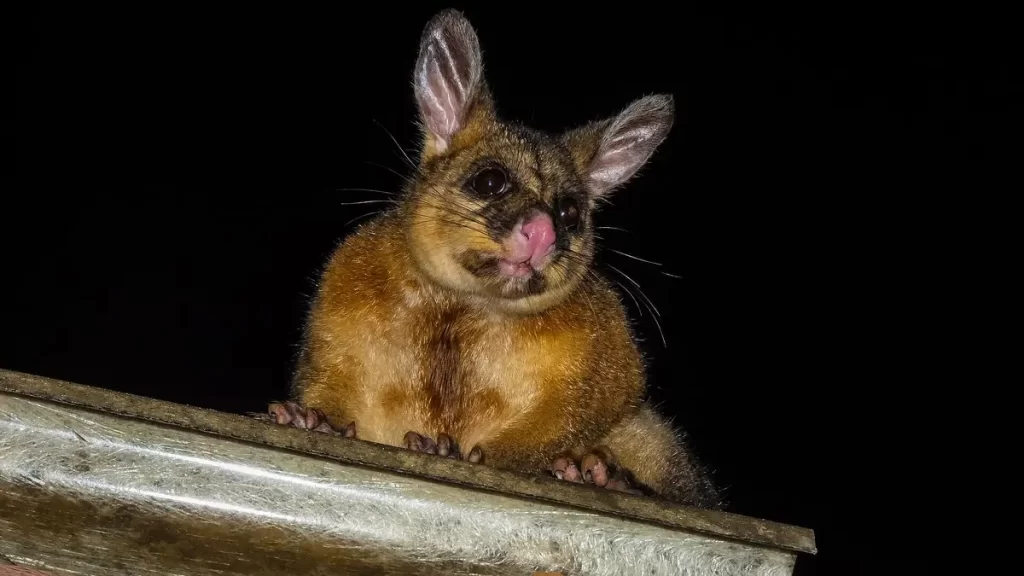
The lasting fix is a one-way flap over the entry point so the possum can leave but not return, then sealing the gap once it has gone. That is building work for the rental provider to arrange.
No Victorian rule names wasp nests in rentals, and councils do not treat pests on private property, so the owner or occupier has to arrange it. A nest in a wall or roof cavity reached through a gap in the building fits CAV’s “property let pests in” example. Whether it is urgent comes down to the same test: does it make the home unsafe?
Report it in writing straight away and read how to find a European wasp nest. Do not approach or disturb the nest, especially if you might be allergic. If anyone stung has trouble breathing, call 000; for sting advice, call the Victorian Poisons Information Centre on 13 11 26.
What to send your agent or rental provider
- Put it in writing. Use email or the agent’s repair portal so there is a dated record. The Act expects renters to report damage in writing as soon as practicable.
- Say what, where and since when. For example: mouse droppings in the pantry and under the oven since 10 November, and scratching in the ceiling at night.
- Attach photos and the condition report. Point to anything recorded at move-in.
- Name a likely cause if you can see one. A broken vent, a gap under the back door, a hole in the eaves or a lifted roof tile.
- Say whether you think it is urgent, and why. Use the Act’s test: does it make the home unsafe or insecure?
- Ask for a date. Urgent repairs: immediately. Otherwise: within 14 days of your written request.
- Keep everything. Replies, invoices and the technician’s findings are your evidence if the matter goes to RDRV.
Get a price for your pest problem
Three details and we’ll come back to you with a price. We usually respond within the hour during business hours.
Thanks. Your request is in.
Your reference is . We usually respond within the hour during business hours. Need us sooner? Call 0485 511 588.
Whoever pays, a licensed technician’s findings help settle the cause. Our general pest control service starts from $149 including GST for an Essential treatment inside a unit: inspection, treatment for cockroaches, ants, spiders and silverfish, and gel baiting in the kitchen, bathroom and laundry, with a 3-month service warranty (warranty conditions apply). Property managers can compare every package on our pricing page.
If you cannot agree: RDRV and VCAT
Since June 2025 the first stop for disputes about repairs, bonds and compensation is RDRV, a free service run by VCAT. A resolution coordinator works with both sides, and VCAT fees apply only if the matter goes on to a hearing. Renters, rental providers and agents can all use it, and you apply online through myRDRV.
Matters that are not resolved are referred to VCAT. CAV does not decide individual disputes, but if a non-urgent repair is still not done after 14 days you can ask CAV for a repairs inspection and report.
Rental pest myths you will still read online
- “The landlord always pays.” CAV says it depends on the cause.
- “Pests after the first few weeks are the tenant’s problem.” No such time rule appears in the Act, the Regulations or CAV’s guidance.
- “End-of-lease pest control is required by law.” It is not. See end-of-lease pest control in Victoria.
- “You must use the agent’s pest controller.” A term making you use the rental provider’s chosen service provider is prohibited.
- “Any pest sighting is an urgent repair.” Only if it makes the home unsafe or insecure.
- “Go straight to VCAT.” RDRV now comes first for repairs, bond and compensation.
Common questions
Is the landlord responsible for mice in a rental?
Not automatically. If mice were there when you moved in, or are getting in through a defect such as a broken vent or a gap in the walls, that points to the rental provider. If they are feeding on rubbish or food left out, Consumer Affairs Victoria says the renter may be responsible. Report droppings in writing straight away, with photos. Our guide on how to get rid of mice in the house covers what you can do in the meantime.
Do I have to keep paying rent while I wait for pest control?
Yes. Consumer Affairs Victoria says renters must keep paying rent while they wait for repairs. If the rental provider is not acting, use the urgent or non-urgent repair process, and take the dispute to Rental Dispute Resolution Victoria rather than holding back rent.
Do I need pest control when I move out of a rental in Victoria?
Victorian rental law does not require an end-of-lease pest treatment. You must leave the home reasonably clean and in the same condition as when you moved in, allowing for fair wear and tear. If a pet has left fleas behind, treating them is part of returning the home to that condition. Our end-of-lease flea treatment is there if you need it.
Can a pest technician's report help decide who pays?
It can. Because responsibility often turns on the cause, a written note from a licensed technician saying what was found, where, and the likely entry points or source is useful evidence. Consumer Affairs Victoria says a renter may need an expert assessment to show a problem is dangerous.
Sources
- Pests, infestations and mould, Consumer Affairs Victoria
- Repairs in rental properties, Consumer Affairs Victoria
- Minimum standards for rental properties, Consumer Affairs Victoria
- Condition reports, Consumer Affairs Victoria
- Residential Tenancies Act 1997, authorised version 115, Victorian Legislation
- About RDRV, Rental Dispute Resolution Victoria
- Possums, Department of Energy, Environment and Climate Action (DEECA)
- Repairs and maintenance in private rentals, Tenants Victoria