The short answer
There is no official definition, so a general pest treatment includes whatever your written quote says. Usually that means cockroaches, ants, spiders and silverfish: gel baits and crack-and-crevice treatment inside, a perimeter spray around eaves, windows and doors, and dust in the roof void and sub-floor. Termites, bed bugs, rodents and wasp nests are normally separate jobs.
Key points
- No law or industry code defines a general pest treatment, so the written quote should name the pests, the areas treated and how long any service warranty lasts.
- Inside, product goes into cracks, crevices, skirting boards and the gaps behind appliances, not sprayed into the air of the room.
- Termites, bed bugs, rodents, wasp nests, bees and possums each need different methods, rules or licences, so they are quoted separately.
- Plan to stay out until treated surfaces are dry: the Victorian health department says four to six hours is generally recommended.
- Every licensed operator in Victoria must record what was applied, where and the re-entry period, and keep that record for three years.
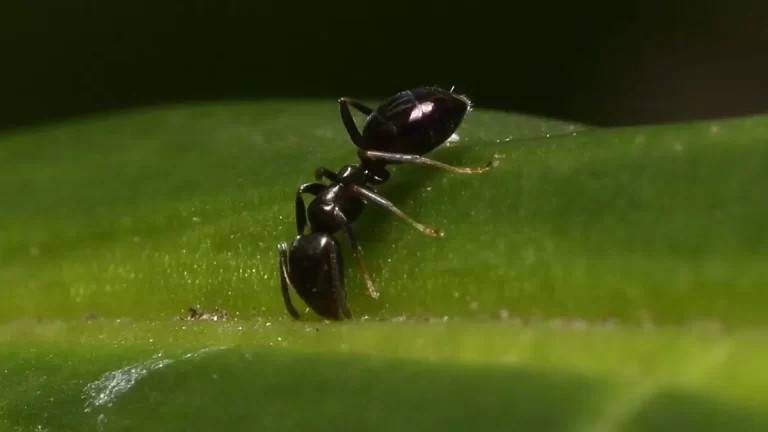
You have booked, or are about to book, a “general pest treatment”, and you want to know what you are actually paying for. So what does general pest control include? In short: the common crawling insects (cockroaches, ants, spiders and silverfish), treated inside the home and, in fuller packages, around the outside, in the roof void and under the floor. Termites, bed bugs, rodents and wasp nests usually sit outside it, for good reasons explained below.
Is there an official definition of general pest control?
No. The industry body for pest managers publishes codes of practice for termites, bed bugs, rodents, food premises and pre-purchase timber inspections, but none for a household general treatment. That means what is included is whatever your written quote says, and it is fair to expect the quote to name the price, the pests covered, the work to be done and how long any service commitment lasts.
The law does draw one useful line. In Victoria, the standard general pest authorisation on a technician’s licence excludes timber pests (termites), which need a separate authorisation with extra training. Within that line, product labels set the pest list: one professional spray label lists ants, cockroaches, spiders, silverfish, fleas, bed bugs, carpet beetles and clothes moths.
A good treatment also follows integrated pest management. In practice that means identifying the pest first, pointing out what is feeding or sheltering it (a leaking tap, gaps around pipes, food left out), and using product only where it is needed, at label rates.
Inside the home: what is treated
Inside, the work is targeted, not a fog through the house. Labels direct indoor sprays into cracks and crevices, along skirting boards and cornices, and behind and under sinks, stoves, fridges and furniture. They are not sprayed into the air of a room.
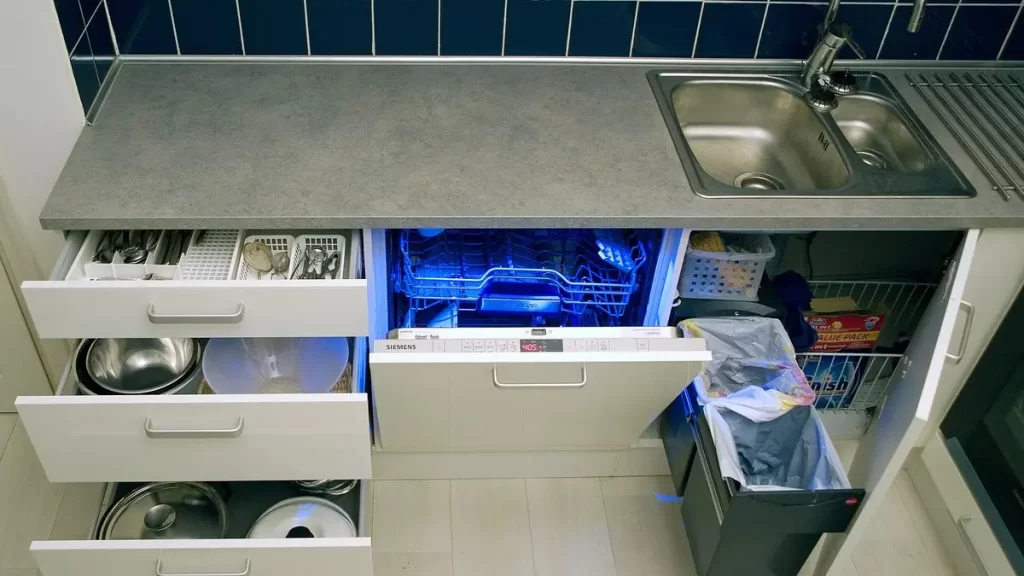
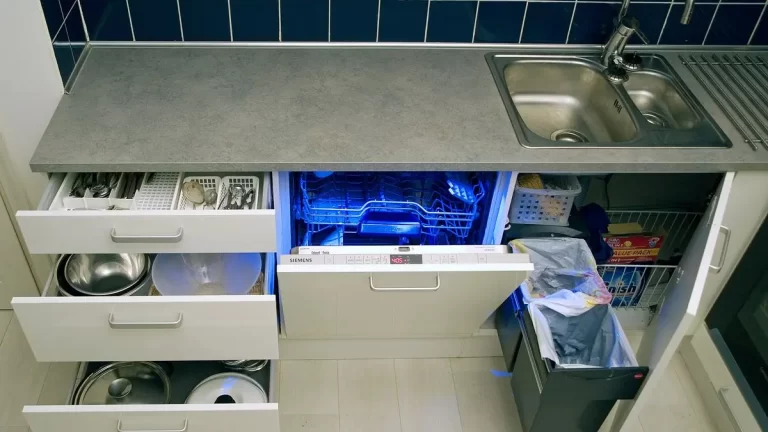
In the kitchen, bathrooms and laundry the main tool is gel bait for cockroaches and ants, placed as small spots in cupboard corners, under the sink, behind the dishwasher and around pipe penetrations. Bait suits these rooms because it stays put, is placed away from food surfaces and keeps working for weeks. Silverfish, which favour damp, humid spots, are treated in the same cracks and crevices.
Outside, the roof void and the sub-floor
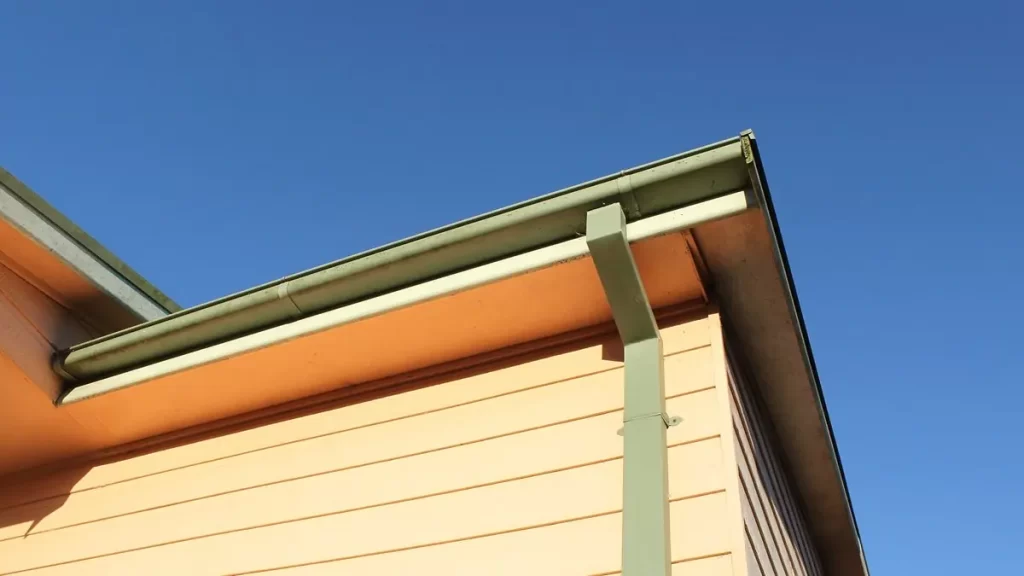
Outside, the technician sprays the places insects travel and shelter: eaves, window and door frames, fences, and a band where the walls meet the ground. Spiders that build webs under eaves and around window frames are the main target here, along with ants coming in from the garden.
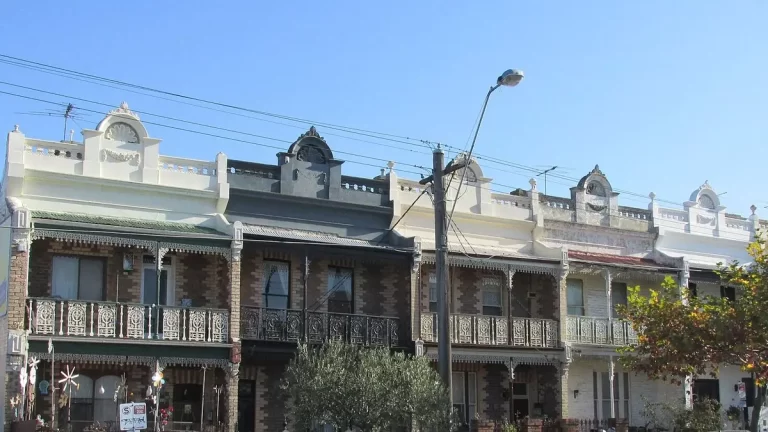
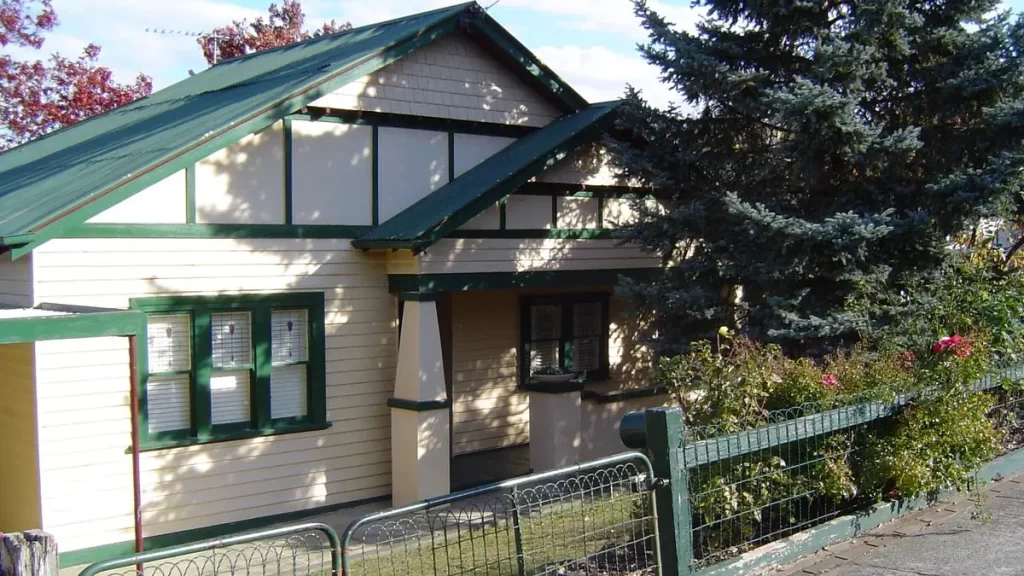
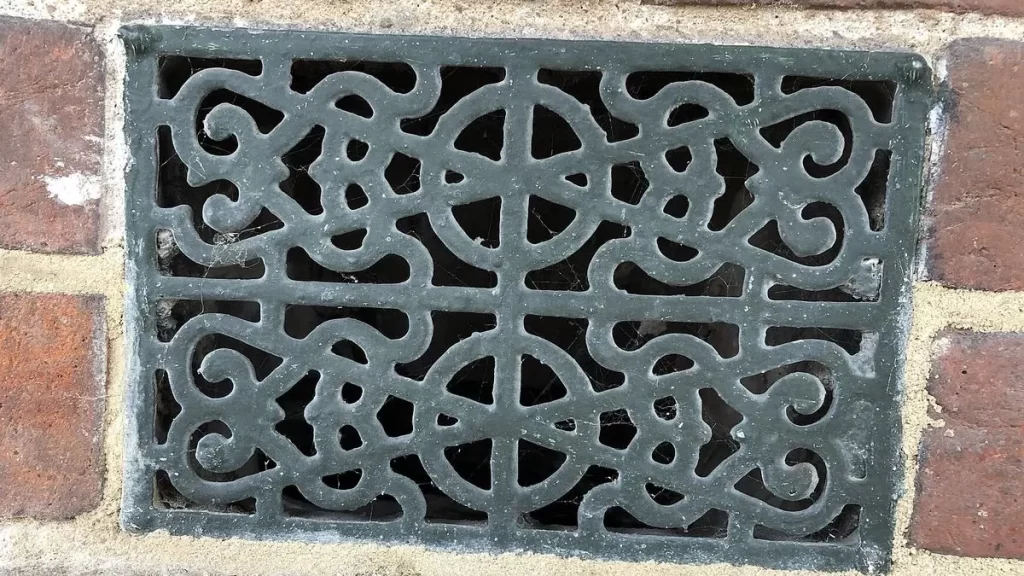
In the roof void and under a raised timber floor, an insecticidal dust is used instead of a spray. Product labels allow dust in roof, wall and floor voids, and it works best when left undisturbed, which these closed-off spaces allow. Many older Melbourne homes with raised timber floors, from Californian bungalows to weatherboard villas, have both a roof void and a sub-floor, which is why these areas are in our Complete package.
Which pests are not in a standard treatment, and why?
These pests need different methods, extra visits or different licences, so most providers quote them separately.
| Pest | Why it is separate | What to book instead |
|---|---|---|
| Termites | Need a separate licence authorisation and follow their own industry codes | A termite inspection |
| Bed bugs | The industry code says one treatment is unlikely to clear them; follow-up visits are normal | A two-visit bed bug treatment |
| Rats and mice | Run as their own program, with bait in lockable stations and non-chemical steps first | A rodent control program or bait stations |
| European wasp nests | The nest itself must be found and treated, often in the ground or a wall cavity | Wasp nest removal |
| Honey bees | A beekeeper should be asked to collect a swarm first | Who to call about bees |
| Possums | Protected wildlife; trapping is tightly limited by law | Possum-proofing or a licensed wildlife controller |
| Flies and mosquitoes | A surface spray only affects insects that land on it, so new ones keep arriving | Fly screens and sealing gaps |
Fleas sit in between: they appear on many spray labels, but a flea job needs vacuuming beforehand and extra attention to carpets and floors, so it is usually an add-on.
How to get the most out of the visit
- Write down what you have seen. Note the pest, the room and the time of day. Identification decides the product, and many products work poorly on the wrong pest.
- Tell the technician about people and pets. Mention pregnancy, babies, asthma or allergies, and every animal in the house, so the treatment can be adapted (see pest control with pets and babies).
- Clear the areas to be treated. Put away food, toothbrushes, toys and pet bowls, and empty any cupboard that is to be sprayed inside.
- Cover or move animals. Cover fish tanks, cover bird cages or move them out of the treated area, and arrange for pets to be elsewhere until surfaces are dry.
- Make access easy. Clear the way to the roof hatch and the sub-floor access, and tell the technician where they are.
- Ask two questions before you leave. What product is being used, and how long should you stay out? Write the answers down.
Our full before-and-after checklist covers each step in more detail.
Get a price for your pest problem
Three details and we’ll come back to you with a price. We usually respond within the hour during business hours.
Thanks. Your request is in.
Your reference is . We usually respond within the hour during business hours. Need us sooner? Call 0485 511 588.
How long does the visit take, and what will you notice?
No official standard sets a visit length. It depends on the size of the home, whether there is a second storey, how easy the roof void and sub-floor are to reach and how much activity there is, so ask when you book.
Plan to be out of the house while the product is applied and until it is dry. The Victorian health department says four to six hours is generally recommended, and your technician will give the right time for the product used. When you return, open the windows for a few hours and wipe kitchen benches and utensils before cooking.
Will it smell? Low-odour, water-based products are used where suitable, but you may still notice a faint smell until surfaces dry and the house is aired. Asthma Australia lists strong smells, including chemical smells, as an asthma trigger, which is one more reason to stay out until it is dry and to mention asthma when you book.
For a week or more you may still see insects. Baits are slow on purpose so the insects carry them back to the nest, and a surface spray only works once a pest walks across it. One label recommends leaving spider webs in place for a few days after treatment to help it work.
Paperwork and the service warranty
Every licensed operator in Victoria must record each application: the product and batch, the re-entry period, the date and times, where on the property it went, the pests treated and the technician’s licence number. The record is kept for three years. The rules make the operator keep that record but do not give you a right to a copy, so ask for the product name and the re-entry time in writing.
The technician should also be able to show a licence card, and you can check any name on the Department of Health’s register of licensed pest control operators. Our guide to checking a Victorian licence walks through it.
Our packages come with a written service warranty: if the treated pests return in treated areas during the warranty period, we come back and re-treat at no charge (warranty conditions apply). That sits on top of your rights under Australian Consumer Law, which require any service to be done with due care and skill.
Which package fits your home?
All three of our home pest control packages cover cockroaches, ants, spiders and silverfish. The difference is how far beyond the living areas the treatment goes.
| Package | What it covers | Service warranty | From (incl. GST) |
|---|---|---|---|
| Essential | Inspection and identification, inside treatment, gel baiting in kitchen, bathrooms and laundry | 3 months | $149 |
| Complete | Essential plus the outside perimeter (eaves, windows, doors, fences), roof void and sub-floor dusting, and a reminder when the next service is due | 6 months | $219 |
| Total Protection | Complete plus lockable, tamper-resistant rodent bait stations and an annual termite inspection with a written report | 12 months | $389 |
The “from” prices are for a unit or apartment and include GST. Houses are priced by bedrooms, with add-ons for a second storey or a shed. Essential suits an apartment with no garden; Complete suits most houses, especially older homes with a roof void and sub-floor; Total Protection makes sense if you have had mice or rats or want a yearly termite check. Every price is on our pricing page, and how long pest control lasts explains how often to book.
Common questions
How often should you get a general pest treatment?
No regulator or industry code sets a fixed interval. Many households book once a year, often in early spring as ant activity starts to rise, but that is industry practice rather than an official rule. Outdoor residues break down in sun and rain, so protection fades over time. Our guide to how long pest control lasts explains what affects it.
Is general pest control a risk to pets and children?
No pesticide is risk free, but the risk is low when an APVMA-registered product is applied according to its label and you follow the precautions. Tell the technician about babies, pregnancy, asthma and every pet before work starts, keep everyone out until surfaces are dry, and cover fish tanks. Cats are far more sensitive to permethrin than dogs or people. More detail is in our guide for pets, babies and pregnancy.
Can I mop the floor after pest control?
Wait for your technician's instruction for the product used. No label or health department sets a single waiting time. Residual sprays work by leaving a thin deposit on the surface, so mopping skirting boards or wiping treated edges removes it. Never wash off gel bait spots: they are placed where normal cleaning will not reach them.
Do I need to be home during a pest treatment?
Someone should be there at the start to let the technician in, point out where pests have been seen and show the roof hatch and sub-floor access. After that, people and pets should be out of the treated areas while the product is applied and until it is dry. Check the re-entry time with the technician before you leave, because it depends on the product used.
Sources
- Codes of practice, Australian Environmental Pest Managers Association
- Find a licensed pest control operator, Victorian Department of Health
- Pest control services, Better Health Channel, Victorian Government
- Commercial pesticides: safety in the home, Victorian Department of Health
- Public Health and Wellbeing Regulations 2019 (authorised version 030), Victorian Legislation
- Strong smells or scents, Asthma Australia
- Consumer rights and guarantees, Australian Competition and Consumer Commission