The short answer
A redback around the house is usually in a dry, sheltered spot: a shed, garage, under outdoor furniture or steps, or in an unused shoe. Wearing gloves, wind the web, spider and egg sacs onto a stick and bin them, then check similar spots nearby: one female can make up to ten egg sacs. For a bite: wash it, apply a cold pack, do not bandage it, and get medical advice on 13 11 26; call 000 in an emergency.
Key points
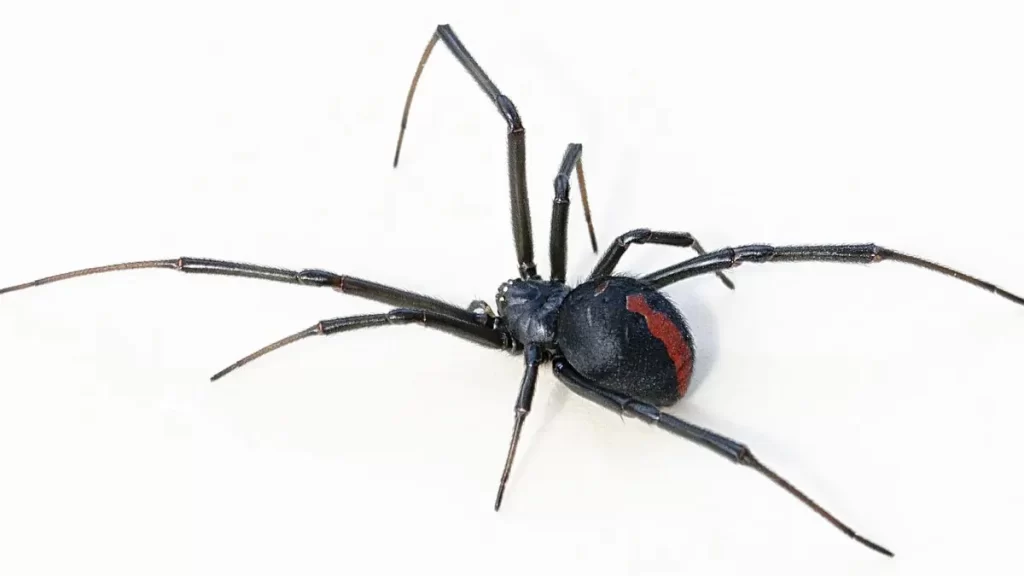
- Female redbacks are about 1 cm long, black with an orange-to-red stripe on top; they build messy, tangled webs in dry, sheltered places.
- One female can hang up to ten round egg sacs of about 250 eggs each, so finding one redback is a reason to check nearby spots.
- Remove a web by twisting a stick into the back of it so the spider and egg sacs wind up with the silk. Never use bare hands.
- Redback bite first aid: wash, cold pack, no pressure bandage, then get medical advice on 13 11 26. Call 000 for collapse or breathing trouble.
- Redbacks stay in their webs, so a treatment can target the exact spots they use, but new spiders keep arriving, so regular checks still matter.
You have just spotted a black spider with a red stripe under the outdoor setting, in the shed or near the back step, and you want to know if there are more and what to do. A redback spider in the house or yard is worth taking seriously, but not worth panic: the Royal Children’s Hospital calls the female redback the main medically significant spider in Victoria, and also says she is very unlikely to cause life-threatening illness. Here is how to confirm it, find the rest and remove them without getting bitten.
How to recognise a redback and its web
The female is the one that matters. The Australian Museum describes her body as about 1 cm long, roughly the size of a large pea, black or sometimes brownish, with an orange-to-red stripe along the top of the abdomen (it can be broken) and a red or orange hourglass underneath. Young spiders carry extra white markings.
The male is easy to overlook: 3 to 4 mm, light brown with white markings. Only the female’s bite is considered dangerous, and because her jaws are small, many bites are ineffective.
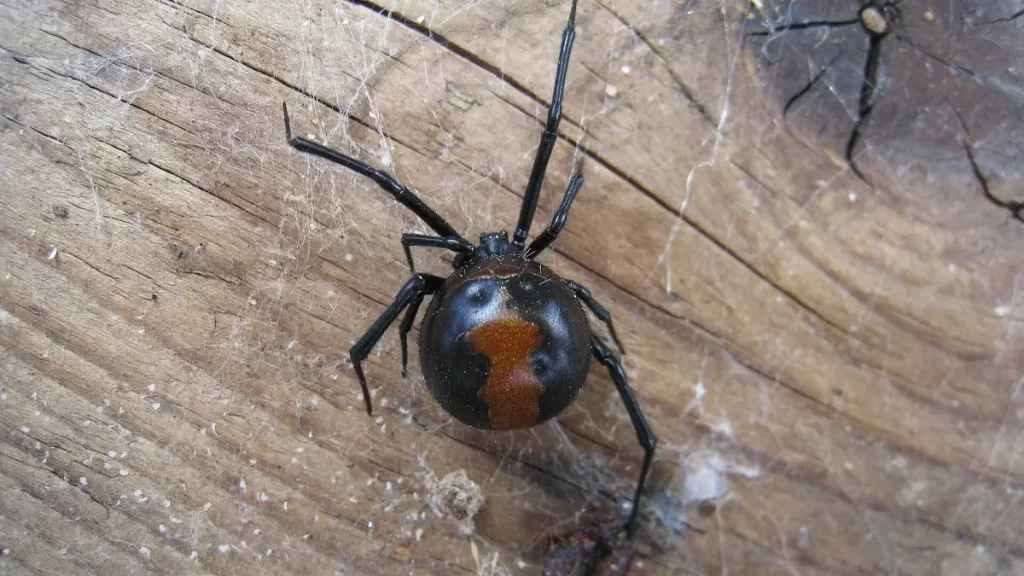
The web is an untidy tangle with a funnel-like retreat at the top where she hides, and sticky threads running down to the ground. Shiny black spiders with the same round body but no red marking are often cupboard spiders (Steatoda species), a common lookalike.
Where do redback spiders hide around the house?
Redbacks want dry, sheltered spots close to the ground, usually outdoors. The places Museums Victoria, the Australian Museum and the Royal Children’s Hospital name include:
- Garden sheds and garages, especially shelves and stacked items
- Under outdoor furniture and steps
- Cubby houses and the undersides of shelves
- Long-unused shoes, tin cans and stored boxes
- Rock piles, logs, wood heaps, junk and garden rubbish
- Around swimming pools and outdoor toilets
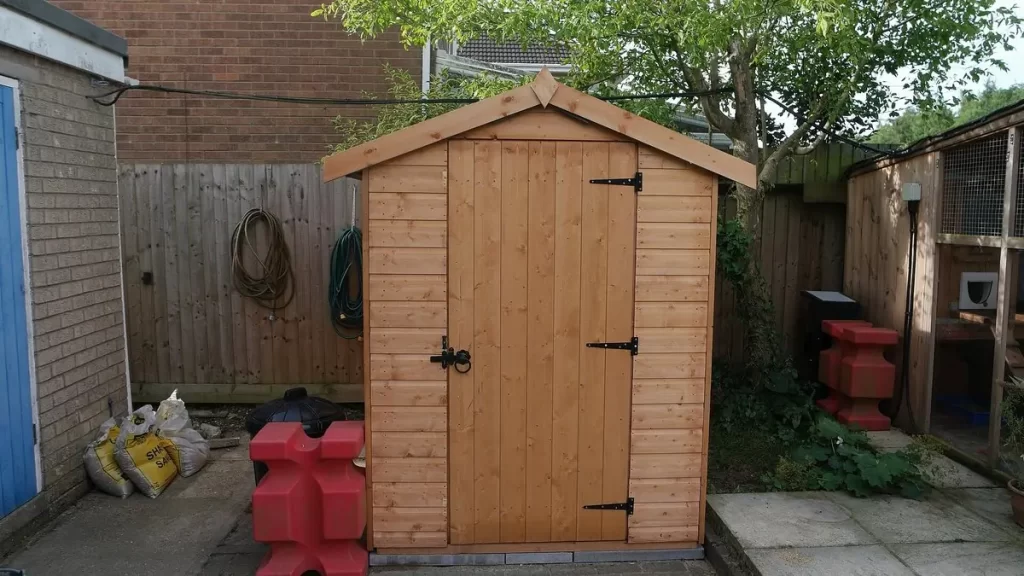
Redbacks are mainly outdoor spiders, they do not live in the ground and they rarely leave the web. Indoors, check long-unused shoes, stored boxes and gear brought in from the shed or garage. What attracts them is dry shelter and insects to catch. Clutter supplies both.
If you find one redback, will there be more?
Often, yes. A female can hang up to ten round egg sacs in her web, each about 1 cm across, white turning brown with age and holding roughly 250 eggs. She can store sperm for up to two years, so she does not need a male nearby to keep laying.
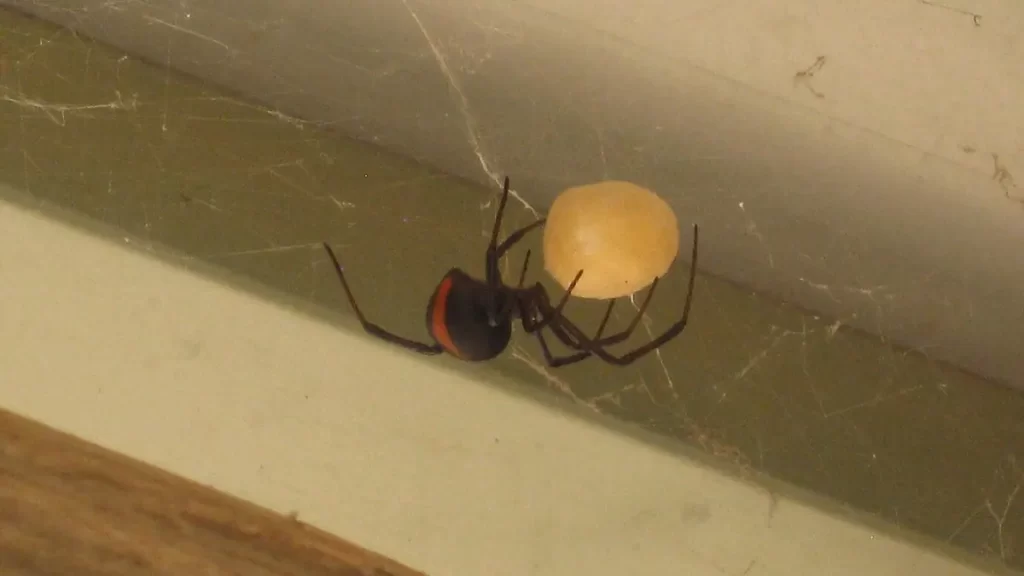
Spiderlings hatch in two to four weeks and leave by ballooning: they climb high, release silk and drift off on the breeze. Conditions that suit one redback usually suit others, so check similar spots nearby and look again over the next few weeks.
Should you kill it? Near doors, play areas and anywhere hands reach, removing a redback is sensible. Most other house spiders can be left alone, as our guide on whether to kill spiders in your house explains.
How to remove a redback and its egg sacs
- Gear up first. Wear gardening gloves, closed shoes and long sleeves. Never poke into a web or hiding spot with your fingers.
- Use a stick, not your hand. The Australian Museum’s method: push a stick into the back of the web and twist it so the silk, the spider and the egg sacs all wind around it.
- Bag it. Slide the wrapped end into a plastic bag, seal it and put it in the outside bin.
- Get every egg sac. Check the retreat and the surrounding silk. Take the sacs off physically rather than relying on a spray: a sac left behind can still hatch a few weeks later.
- Clear the nearby spots. Check shelves, steps and stored items close by.
- Watch for fresh webs. Once old webs are gone, a new tangle means a new arrival. Keep checking the same spots regularly through the warmer months.
A household surface spray applied directly will kill a redback, but the Australian Museum notes it has to be repeated often, because new spiders keep arriving. If you use one, choose a product labelled for spiders and domestic use, and follow the label exactly.
Redback bite first aid
The bite may not hurt much at first. The Royal Children’s Hospital says pain builds over minutes to hours, can spread, and may last for days; a baby may simply cry inconsolably. Better Health Channel advises a cold pack for 15 minutes, or longer if the pain continues, and the Victorian Poisons Information Centre suggests simple pain relief such as paracetamol.
- Get medical advice after any suspected redback bite: call the Victorian Poisons Information Centre on 13 11 26 (24 hours), or see a doctor. Have babies and young children checked by a doctor.
- See a doctor or go to an emergency department if pain is not relieved by a cold pack and simple pain relief, spreads from the bite, or comes with sweating, nausea, vomiting, headache, tremors or a fast heartbeat.
- Call 000 if the person collapses, has trouble breathing or shows signs of a severe allergic reaction, or if a child is suddenly distressed and you suspect a redback bite.
Babies, young children, older people and people with a heart condition are at greater risk. An antivenom exists and hospital doctors decide whether it is needed; most bites are managed with first aid and pain relief. The Australian Museum says no deaths have occurred since redback antivenom was introduced. Follow the Victorian Poisons Information Centre’s bite advice for full detail.
When to call a professional about redbacks
One reachable web is a quick DIY job. Call a licensed technician when:
- You keep finding new webs after clearing them
- There are webs in several places: shed, fences, eaves and outdoor furniture
- Redbacks are around a cubby house or anywhere young children play
- Webs sit where you cannot reach or see well, such as under the house or behind stacked storage
- Someone in the house is at higher risk, or you have a cat that roams the yard
Get a price for your spiders problem
Three details and we’ll come back to you with a price. We usually respond within the hour during business hours.
Thanks. Your request is in.
Your reference is . We usually respond within the hour during business hours. Need us sooner? Call 0485 511 588.
What a redback treatment involves
Redbacks are easier to treat than wandering spiders such as huntsmen, because web-builders stay put: a technician can find where they live and treat those exact places.
On a typical visit for our spider control service, the technician inspects the yard first, turning outdoor furniture over and checking steps, shelves and stored items. A residual spray from APVMA-registered products, used strictly according to the label, goes into the cracks, crevices and sheltered spots where spiders rest, plus the webs themselves. Roof voids and sub-floors get an insecticidal dust.
Spiders hit directly are killed; others are affected when they walk over a treated surface. Leave webs in place for a few days afterwards, or as your technician advises. Before the visit, tell us about babies, pregnancy, allergies and pets. Move pets out, put away pet bowls, cover fish tanks, and stay out of treated areas until surfaces are dry; we will tell you how long.
Our Complete package covers this: inspection, the inside treatment, the external perimeter (eaves, windows, doors and fences), roof void and sub-floor dusting, and a reminder when the next service is due. It costs from $279 including GST for a house of up to three bedrooms and carries a 6-month written service warranty: if treated pests return in treated areas within that time, we come back and re-treat at no charge (warranty conditions apply). A garage, shed or granny flat is an add-on, so include it if that is where the webs are. See all package prices or request a spider treatment quote.
Young spiders keep arriving on the wind, so a treatment reduces redbacks around the home; it does not stop every new one.
How to keep redbacks away
No spray, oil or plug-in device keeps redbacks away on its own. What helps most is removing the dry, cluttered shelter they need and changing a few habits:
- Keep sheds and garages tidy, and avoid stacking items tightly together.
- Get rid of old tyres, wood piles and junk you do not need.
- Clean outdoor furniture, eaves and verandahs regularly to remove webs and egg sacs.
- Pack away children’s toys that are not used often, and check the cubby house before play.
- Wear gloves, long trousers and shoes when gardening or clearing out the shed.
- Shake out shoes and do not leave shoes, clothes or equipment outside.
In the Medical Journal of Australia study of 68 confirmed redback bites, 28% happened while someone was putting on a shoe. For a pre-summer checklist, see our guide to spiders in outdoor furniture, cubby houses and sheds, or read more about Melbourne species in our spider library.
Common questions
Are redback spiders aggressive?
No. Redbacks rarely leave their web and, if disturbed, may drop and play dead. The Australian Museum says bites are unlikely unless a hand or other body part goes straight into the web, and in one Australian study more than a quarter of confirmed bites happened while someone was putting on a shoe.
When are redbacks most active in Melbourne?
Redbacks are rarely seen in winter, and bites are most frequent in summer. In a study of 68 confirmed redback bites published in the Medical Journal of Australia, most happened between December and April. Late spring is a good time to check sheds, outdoor furniture and play areas before the warm months.
Is a shiny black spider without a red stripe a redback?
Possibly not. Cupboard spiders (Steatoda species, which Museums Victoria calls brown house spiders) have a similar round body and egg sac but no red marking. Male redbacks are also different: small, light brown and only 3 to 4 mm long. A cupboard spider bite can cause similar symptoms and is managed the same way, so use the same first aid. Our guide to common Melbourne spiders shows the lookalikes.
Can a redback bite hurt my cat or dog?
It can. The Animal Poisons Helpline says cats are particularly sensitive to redback venom, and a bite that injects venom can be life-threatening for a small animal. Early signs include vomiting, diarrhoea, pain and restlessness. If you suspect a bite, contact your vet or the Animal Poisons Helpline straight away.
Sources
- Redback Spider, Australian Museum
- Spiders in the house and garden, Australian Museum
- Spider bite: redback spider (clinical practice guideline), The Royal Children's Hospital Melbourne
- Bites and stings, Victorian Poisons Information Centre, Austin Health
- Spiders, Better Health Channel (Victorian Government)
- Your eight-legged housemates, Museums Victoria
- Latrodectism: a prospective cohort study of bites by formally identified redback spiders, Medical Journal of Australia
- Redback spiders and your pets, Animal Poisons Helpline